

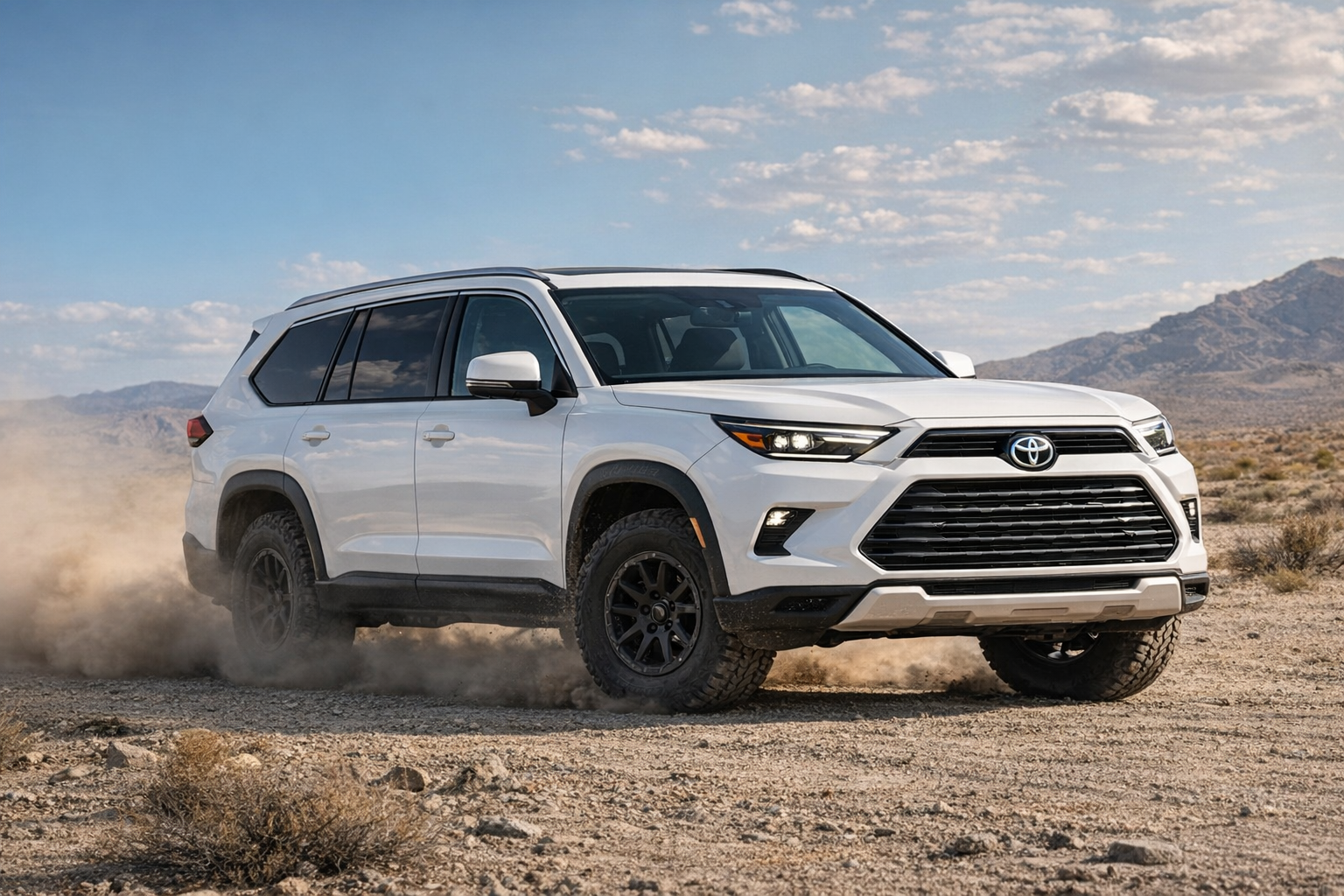
Driving across Dubai’s golden dunes is an exhilarating adventure that calls for the right preparation. Ordinary cars won’t survive the soft sands and towering dunes; the desert demands a powerful, stable, and well-equipped vehicle. This guide provides a comprehensive roadmap to help you rent the perfect SUV for conquering Dubai’s deserts. From choosing the ideal 4×4 to understanding rental policies and safety measures, each section will ensure you’re fully prepared to explore the dunes with confidence and peace of mind.
Know the Desert and Your Vehicle Needs
Dubai’s desert terrain is unlike any city road. The fine, powdery sand and steep dunes demand exceptional traction and stability from your vehicle, so a specialized off-road SUV is essential. Standard cars can easily get stuck or overheat in the harsh environment.
To tackle the dunes, you’ll need a true 4WD SUV. Small 2WD vehicles simply won’t cut it. Heavy-duty 4x4s like the Toyota Land Cruiser, Nissan Patrol or Jeep Wrangler provide the ground clearance, engine power and stability needed for desert driving. These rugged models are built for off-road terrain, making them trusted choices for anyone venturing into Dubai’s wilderness.
Choose the Right SUV for the Dunes
Not all SUVs are equal. Be sure to choose one with four-wheel drive, high ground clearance, and all-terrain tires as a baseline. Features like low-range gearing, locking differentials and sand-specific traction modes give you a big advantage in maintaining grip on soft dunes. A strong suspension also helps absorb bumps on rough sand hills.
It’s smart to match your vehicle to your experience level. Novice off-roaders with family might favor a bigger, stable SUV known for reliability (the Land Cruiser’s durability is beginner-friendly), whereas experienced dune-bashers might prefer a high-powered or more agile model like the Nissan Patrol or Jeep Wrangler for an exhilarating ride.
Understand Rental Policies and Insurance
Always read the rental terms to ensure off-road driving is allowed. Many companies impose off-road restrictions, and standard insurance usually won’t cover damage from desert use. You could face hefty penalties or liability if you violate the agreement. If dune driving isn’t explicitly permitted, it’s best to find a specialist rental or purchase extra coverage to stay protected.
Also clarify the fuel and mileage policies. Know whether you must return the SUV with a full tank and whether there’s any kilometer limit. Desert journeys can be long, and you don’t want surprise fees. Ask what equipment comes with the vehicle (such as a tire inflator or recovery boards) and bring any missing essentials.
Equip Yourself and Plan Ahead
Consider renting add-ons you might need for the desert. Many agencies offer gear packages for off-road trips: for example, a GPS unit with desert maps, a satellite phone, or camping equipment if you plan to sleep under the stars. Equipping yourself with the right tools will make your desert journey safer and more comfortable.
Good planning is as important as good gear. If you’re not confident in off-road driving, you might hire a professional driver or join a guided desert tour instead of going solo. If you do drive yourself, schedule your trip during cooler hours (morning or late afternoon) to avoid extreme heat, and always tell someone your route and expected return time.
Inspect and Prepare for Safety
Before heading out, give your rental SUV a thorough once-over. Check that the tires are in good condition (you’ll likely deflate them a bit for sand) and that essential fluids and brakes are in order. If you’re unsure about the 4×4’s controls, ask the rental staff to show you how to engage four-wheel drive. Also ensure there’s a usable spare tire and jack onboard.
Start your trip with a full fuel tank and know where you can refuel en route. Avoid venturing into remote dunes alone — having a second vehicle in your group means you can help each other if someone gets stuck. Keep the rental’s 24/7 emergency number handy, and pack ample water and a first-aid kit to stay safe in the desert heat.
Desert SUV Comparison
Below is a comparison of a few SUV models known for conquering Dubai’s deserts:
| SUV Model | Engine (hp) | Seating Capacity | Off-Road Highlights |
|---|---|---|---|
| Toyota Land Cruiser | 3.5L twin-turbo V6 (~409 hp) | 7 seats | Advanced systems, robust chassis – a desert legend |
| Nissan Patrol | 5.6L V8 (~400 hp) | 8 seats | Huge V8 power, hydraulic suspension – a dune-bashing icon |
| Jeep Wrangler | 3.6L V6 (~285 hp) | 5 seats | Lightweight, agile design with ample ground clearance |
| Land Rover Defender | 3.0L turbo I6 (~395 hp) | 5–7 seats | Terrain Response 4WD; luxury meets toughness |
Each of these 4x4s has its own strengths. The Land Cruiser and Patrol deliver big power and stability for large dunes, while the Wrangler and Defender offer more agility and modern off-road tech. All are capable of tackling the sands. The best choice depends on whether you value sheer power or nimble agility.
Ready to Conquer the Desert
By following this guide, you’re well on your way to renting the perfect SUV and embarking on an unforgettable desert adventure. We’ve explained how to select the ideal off-road vehicle, verify critical rental details, equip yourself properly, and prepare for a safe journey — all key steps for a smooth experience. Remember to respect the power of the desert, practice safe driving, and approach each dune with care. With the right planning and the right vehicle, you can conquer Dubai’s deserts confidently and create memories of a lifetime.