

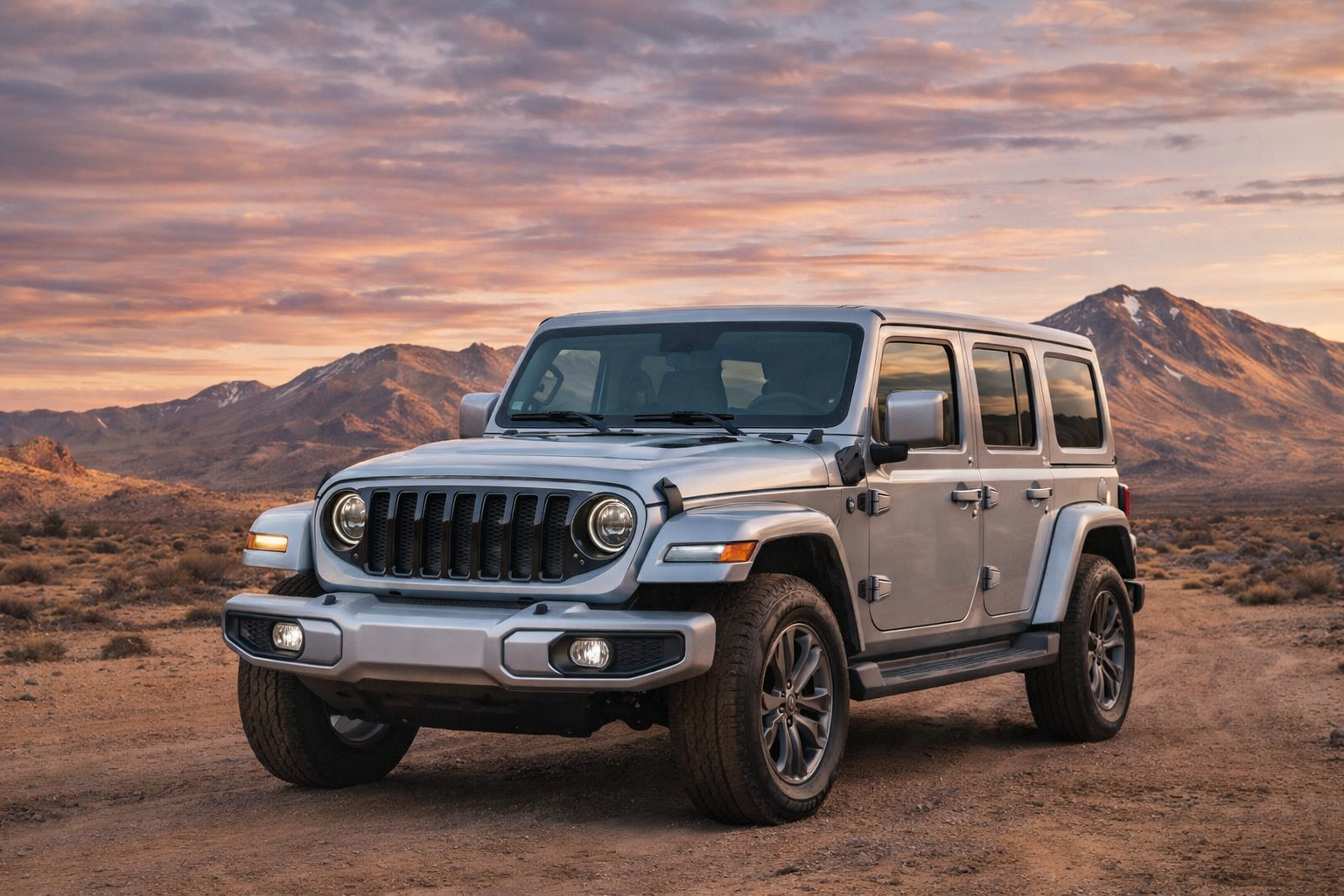
Dubai’s sprawling deserts and golden dunes offer an exhilarating playground for off-road enthusiasts. Renting a 4×4 SUV gives tourists the freedom to explore these dramatic landscapes on their own terms. However, venturing into the desert with a rental vehicle also comes with risks — from harsh terrain to strict rental policies. Preparing properly is essential. This comprehensive guide will walk you through everything you need to know, focusing on crucial insurance details and safety guidelines. With the right knowledge and precautions, driving an SUV through Dubai’s deserts can be an amazing, memorable experience enjoyed without worry.
Insurance and Rental Policy Essentials
Start by reading the rental agreement thoroughly. In Dubai, most standard rental contracts explicitly forbid taking the vehicle off-road into desert areas without prior permission. Violating this rule can leave you fully liable for any damages and recovery costs, as standard rental insurance won’t cover accidents that happen off-road. In other words, if you drive into the dunes against the rules and dent the chassis or blow out a tire, you’ll likely be footing the entire repair bill. Always check for any clauses about off-roading, and if in doubt, ask the rental company to clarify what is allowed.
Know your insurance coverage before you hit the sand. By law, basic car rental insurance in the UAE includes third-party liability coverage. This mandatory insurance will cover damage or injury you cause to other people or property. However, basic insurance does not cover damage to the rental vehicle itself in off-road situations. Collision Damage Waiver (CDW) or comprehensive coverage options typically apply only to on-road incidents, and off-road accidents are usually excluded. Some rental agencies may offer a special off-road or desert-use insurance package (an extended waiver) at an extra cost, but you must arrange this in advance. If off-roading is on your agenda, it’s imperative to get explicit permission from the rental company and ensure you have insurance that covers off-road use — otherwise any damage in the dunes will be coming out of your pocket. Ultimately, don’t assume you’re covered: discuss your plans with the rental provider, opt for maximum coverage available (including off-road coverage if offered), and always get those terms in writing for peace of mind.
Essential Off-Road Driving Safety Tips
Heading into Dubai’s deserts on your own requires vigilance and smart driving techniques. Preparation and caution will keep you safe in the dunes. Here are some key off-road driving safety tips for a self-drive desert adventure:
-
Prepare your vehicle: Lower your tire pressure (around 12–15 PSI) and engage 4WD low-range (or the “sand” mode) for maximum traction on soft sand. This improves grip and stability, helping you avoid getting bogged down in loose dunes.
-
Drive carefully on dunes: Maintain moderate speeds and avoid sudden turns. Always approach dune crests slowly and head-on (not at an angle) to reduce the risk of rollovers or nose-diving off the other side. Controlled, steady driving is far safer than racing over the dunes.
-
Carry recovery gear: Always bring essential recovery equipment in case you get stuck. At minimum, pack traction boards, a shovel, a sturdy tow rope, and a portable air compressor to re-inflate tires. Even experienced off-roaders can get stuck in soft sand, so having the tools to self-recover is vital.
-
Never go alone: The golden rule of desert driving is to travel with at least one other vehicle. If your car breaks down or gets stuck, another vehicle can assist or call for help. Solo driving in remote dunes is extremely risky, so a convoy or buddy system is strongly recommended.
-
Beat the heat: Plan your drives for early morning or late afternoon to avoid the punishing midday heat. Carry plenty of water (more than you think you’ll need), snacks, and sun protection like sunscreen, hats, and sunglasses. The desert environment can cause dehydration and fatigue quickly, so take regular breaks and stay hydrated.
By following these safety practices, you greatly reduce the chance of accidents and ensure that your off-road trip remains fun and incident-free. Remember that defensive driving is crucial off-road — it’s better to go slow and steady than to push the limits in an unforgiving environment.
Planning Ahead and Emergency Preparedness
Good planning and communication can be lifesavers. Always inform someone trustworthy about your off-road plans before you depart. Let them know your planned route and expected return time, so that help can be alerted if you don’t check-in as scheduled. It’s also wise to stick to known trails or popular off-roading areas rather than wandering into uncharted territory, especially if you’re new to desert driving. Before heading out, check the weather forecast and avoid driving during sandstorms or days of low visibility. And make sure you have reliable means of communication: carry a fully charged phone, an in-car charger, and consider renting or buying a local SIM card for better coverage. In more remote regions with poor signal, a satellite phone or a two-way radio can be a critical backup. Additionally, keep the 24/7 roadside assistance number from your rental company handy; many rentals in Dubai offer round-the-clock assistance for breakdowns or emergencies.
Have an action plan for emergencies. If your SUV gets stuck in sand despite your precautions, don’t panic. Use your recovery boards and shovel to dig out around the tires, deflate the tires a bit more if needed, and try to slowly drive out. If you cannot free the vehicle, it’s time to call for help — either your fellow convoy members or a professional recovery service. In case of a vehicle breakdown or mechanical issue (like overheating), discontinue driving to prevent damage and call the rental company’s assistance line for guidance. Moreover, know the protocol for accidents: in the UAE, you must report any accident to the police to file an official report, even if you’re off-road. Without a police report, insurance claims will be denied and you could be held fully responsible for all damages. Keep the emergency numbers for police and medical services saved in your phone. By planning for the worst (while expecting the best), you ensure that even if something does go wrong in the desert, you can handle it calmly and effectively. Preparation is truly the key to a safe off-road adventure.
Comparison: Self-Drive Rental vs. Guided Desert Tour
Sometimes tourists debate whether to rent an SUV and drive themselves or to join a guided desert safari. Below is a comparison of key factors between a self-drive off-road trip with a rental SUV and a guided desert tour:
| Aspect | Self-Drive SUV Rental | Guided Desert Tour |
|---|---|---|
| Driving Responsibility | You are the driver, navigating the terrain yourself. This requires confidence and off-road driving skills. | A professional guide does all the driving. Participants can relax and enjoy the ride without handling the vehicle. |
| Insurance Coverage | Must ensure proper insurance for off-road use. Any vehicle damage is your responsibility unless covered by an extra policy. | Tour operators cover the vehicle and have insurance included in the package, so you are not liable for damages during the tour. |
| Required Experience | Off-road driving experience is highly recommended. You should know how to handle sand, dunes, and recovery situations when driving on your own. | No driving experience needed for guests. The trained guide’s expertise ensures safety; first-timers can participate without special skills. |
| Safety and Equipment | You need to carry and know how to use safety gear and recovery equipment. Emergency preparedness is up to you as the driver. | The tour company provides all necessary safety gear, recovery tools, and emergency support. Guides are equipped to handle vehicle recovery and first aid if needed. |
| Freedom vs. Convenience | Complete freedom to explore at your own pace and choose your route (within permitted areas), but with greater risk and responsibility. | A convenient, structured experience with a set itinerary. Less freedom to roam, but far lower risk and no logistical worries, which can be ideal for stress-free enjoyment. |
Off-Road with Confidence and Caution
Exploring Dubai’s deserts in a rented SUV can be the highlight of your trip — a blend of thrilling adventure and breathtaking scenery. By now, it’s clear that successful off-roading isn’t just about jumping into a 4×4 and hitting the dunes; it’s about preparation, prudence, and respect for the environment. Make sure you rent the right vehicle and double-check that off-road use is permitted and properly insured. Equip yourself with the knowledge of safe driving techniques and carry the necessary gear to handle common desert challenges. Always prioritize safety: use your seat belts, stay hydrated, and never take unnecessary risks just for excitement. Embrace the spirit of adventure but temper it with common sense — with the right approach, you can savor the thrill of the desert and create unforgettable memories, all while staying safe and secure.